Pollarding
Pollarding across Sussex and Surrey where a repeatable long-term growth management cycle makes more sense than one-off heavy pruning every few years.
What the job involves
Pollarding is not a substitute for crown reduction, and it's not right for every tree or every setting. When it is right, certain species, certain road or urban settings, established pollard cycles. It gives a more manageable long-term result than unpredictable reactive cutting. The key is doing it properly: cutting back to established points, setting up a realistic cycle, and not treating it as something you can start and then ignore for fifteen years.
- Confirm pollarding is actually the right approach for the species and setting
- Assess existing pollard points if the tree has been pollarded before
- Cut back to established knuckles or suitable pruning points consistently
- Clear arisings and leave the finished line tidy
- Set a realistic cycle date and record it so the next visit doesn't undo the work
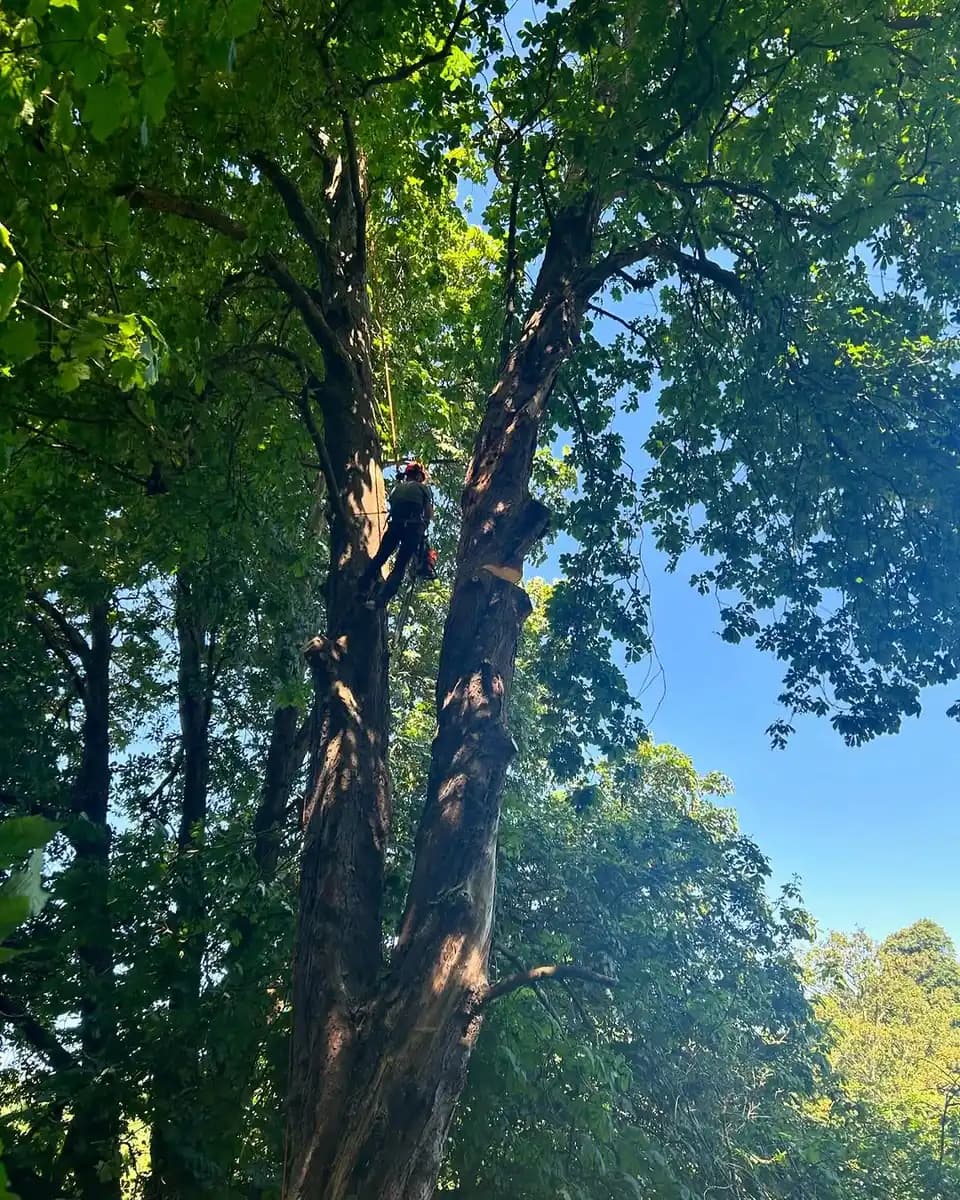
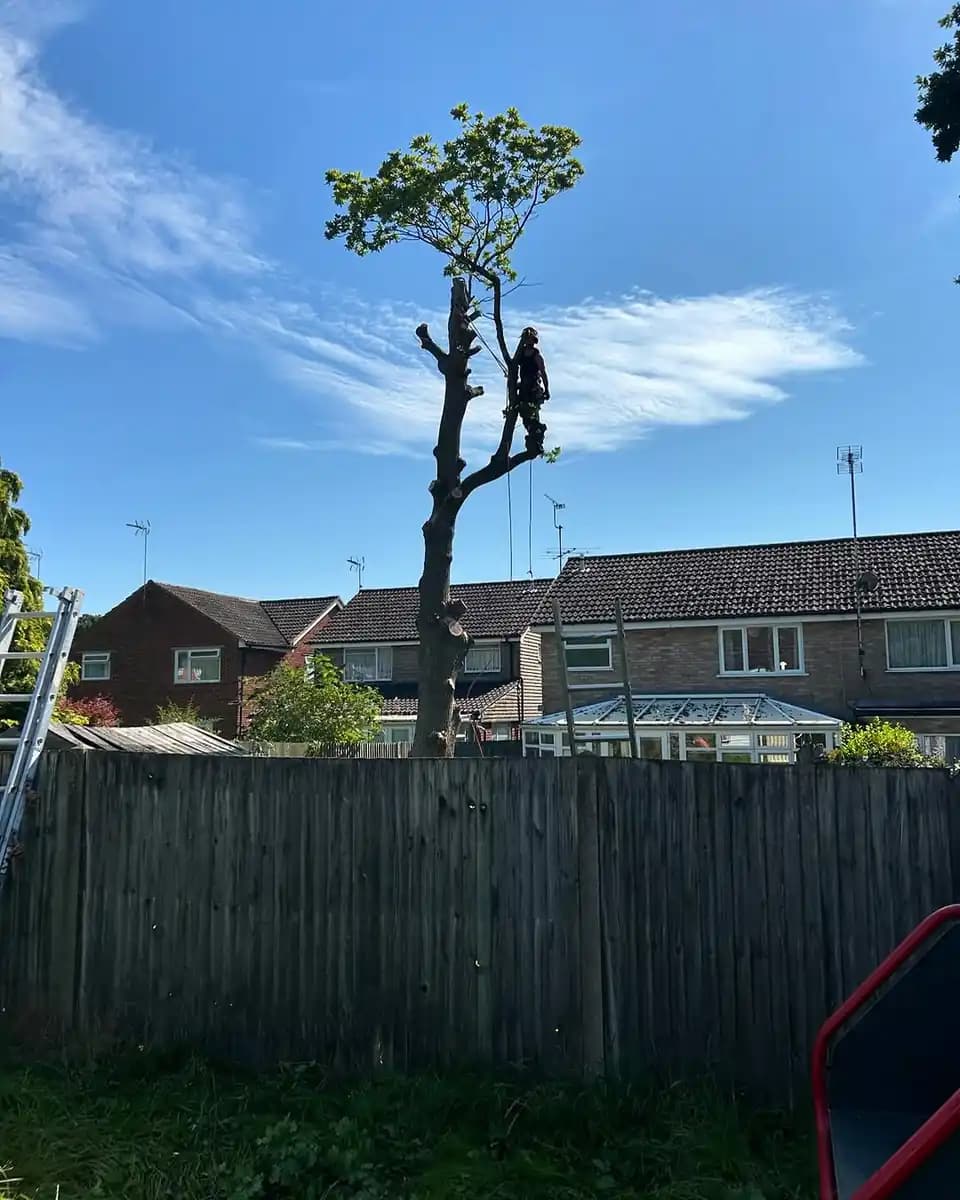
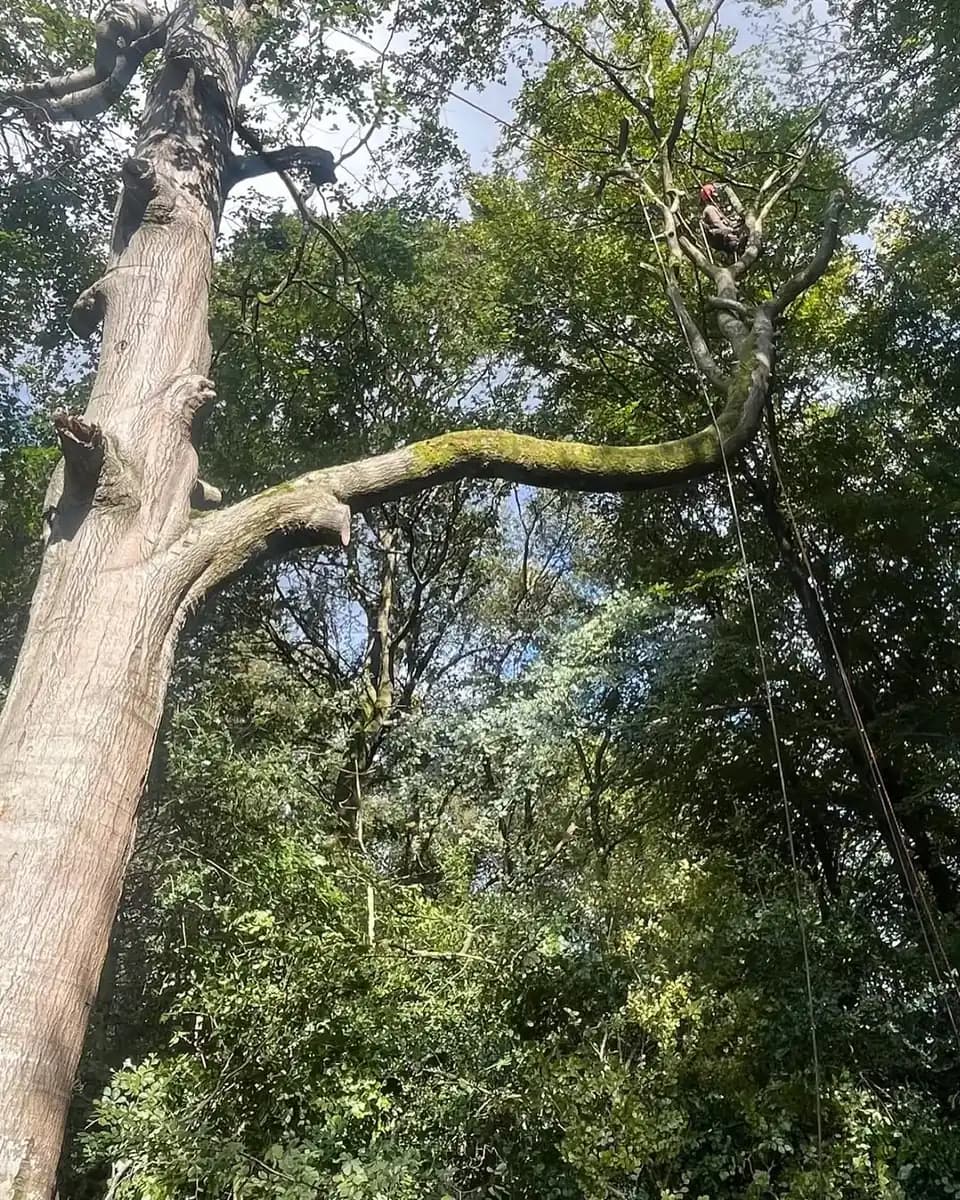
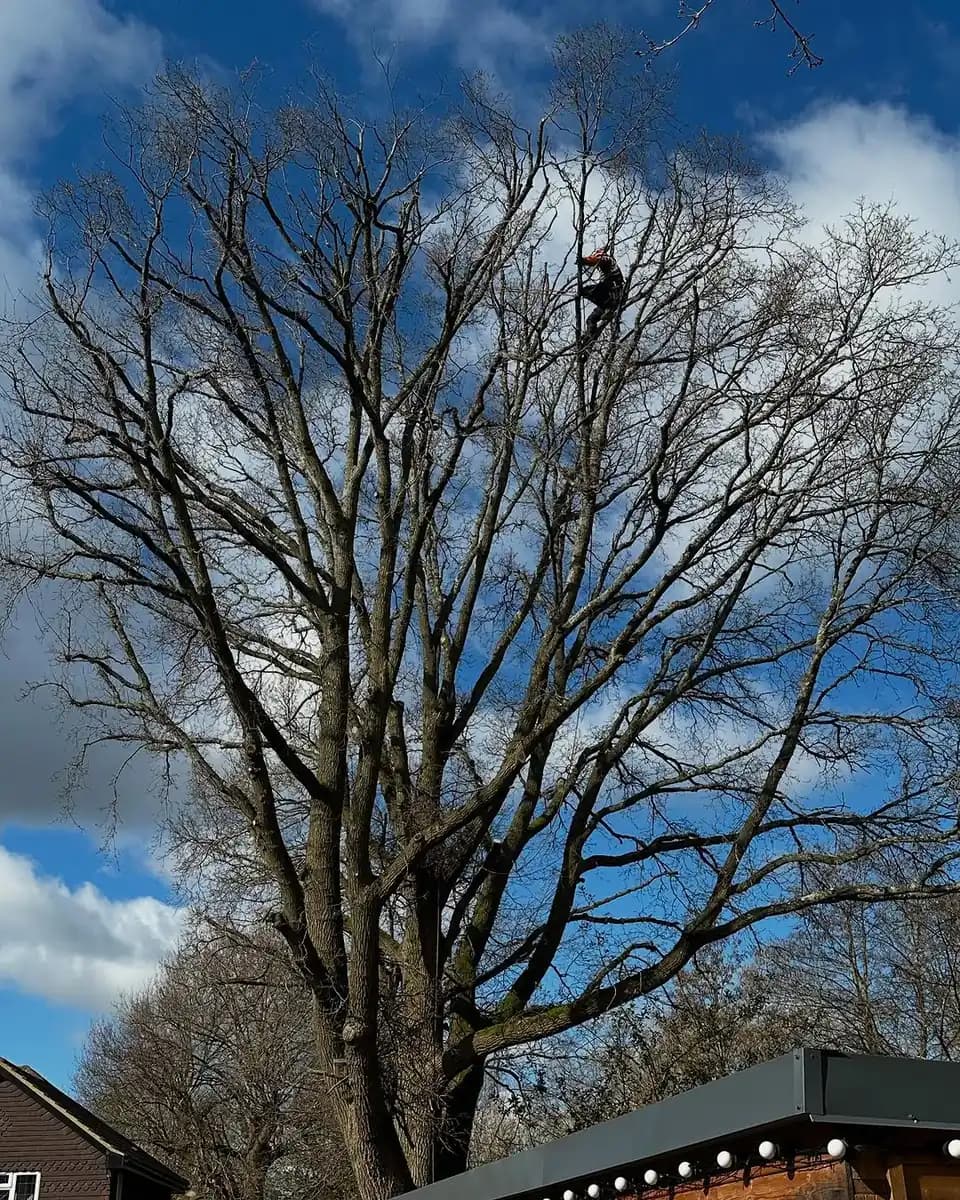
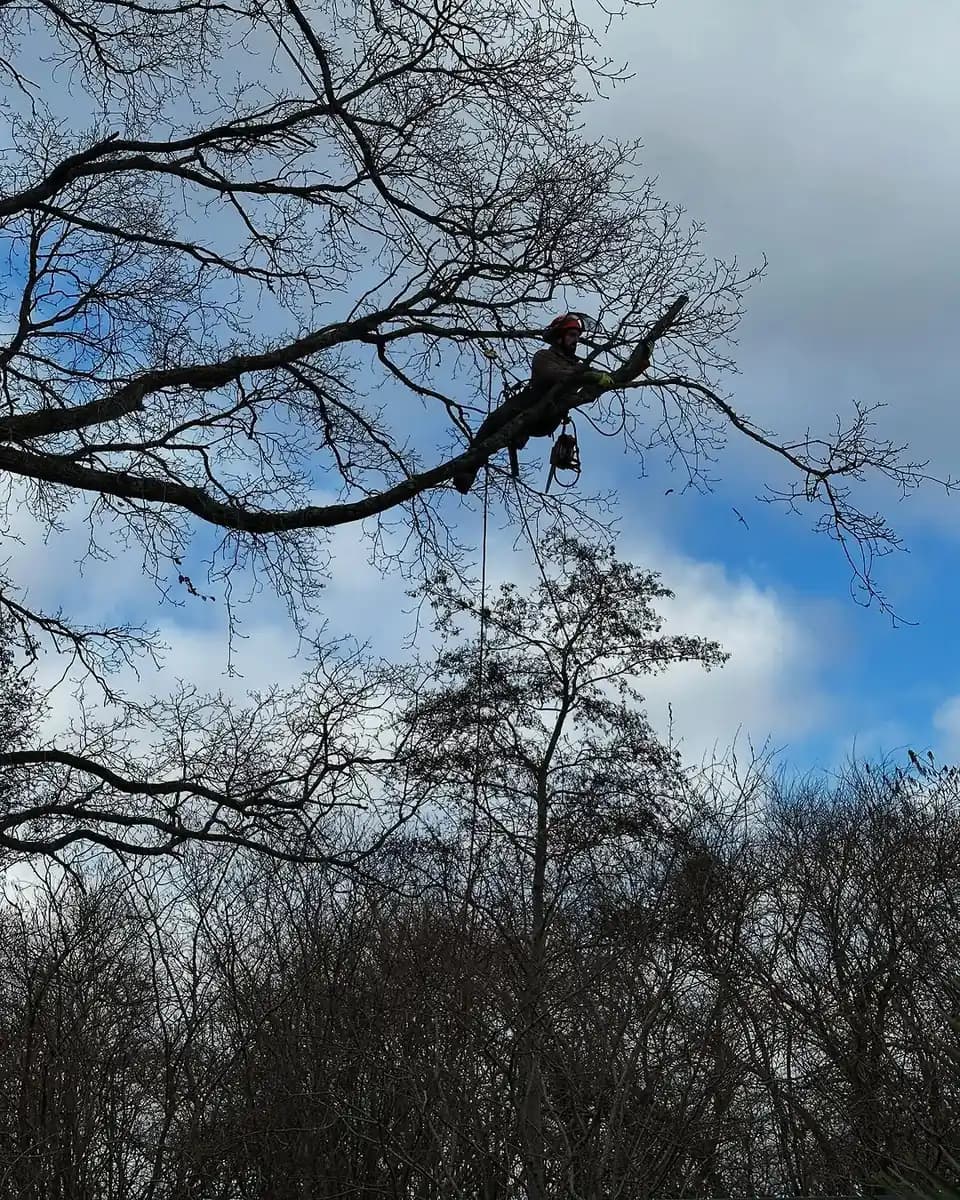
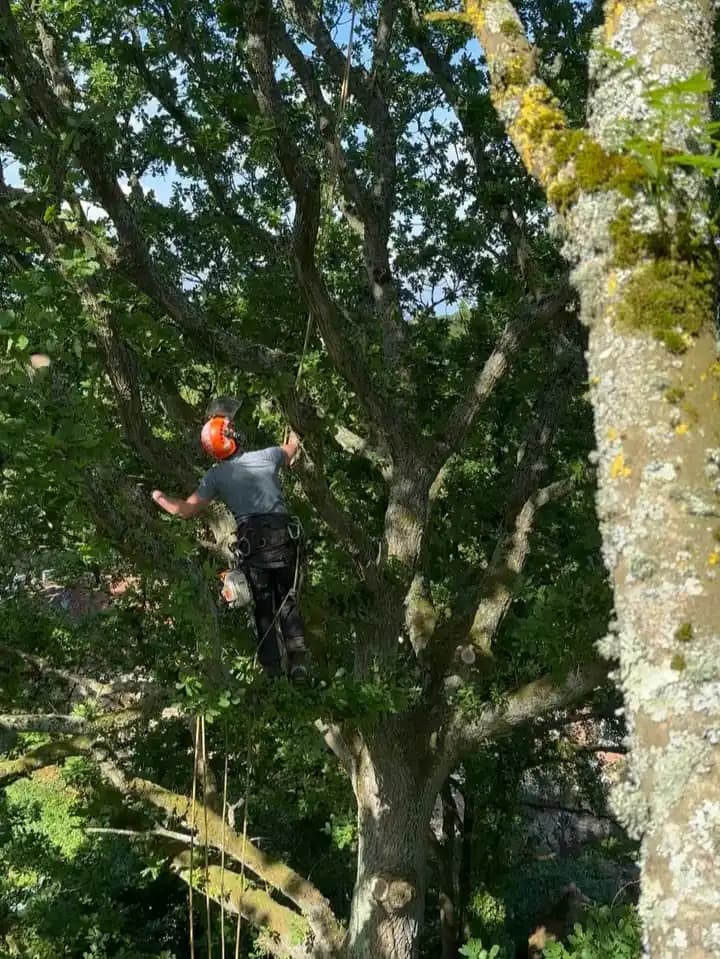
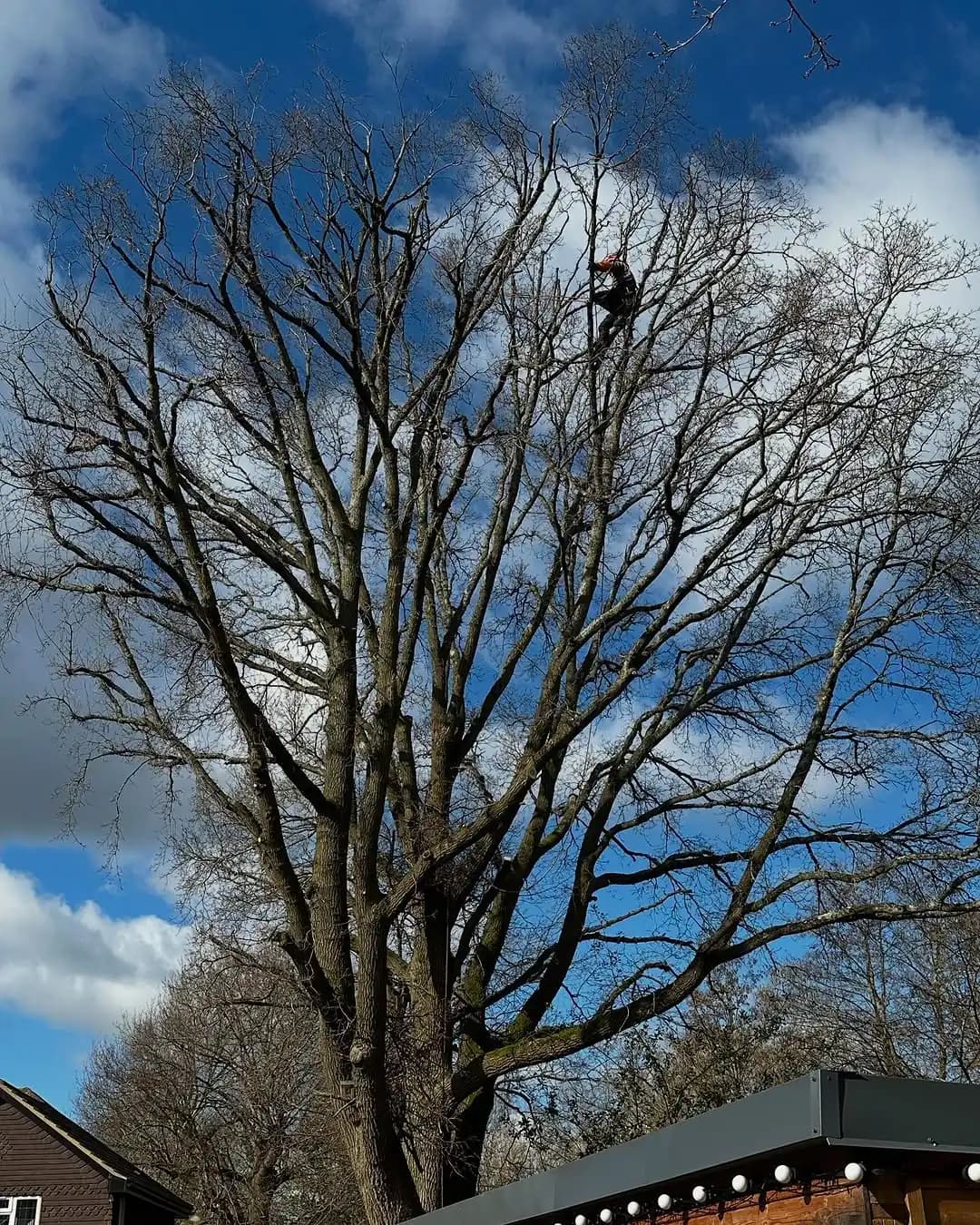
We manage a row of pollarded lime trees along an estate driveway on a three-year cycle. Each visit follows the same cut points, keeps the cycle consistent, and maintains the formal avenue effect the original planting intended. The estate manager books us in advance and the job now takes half a day rather than the full-day reactive work it was when we took it over.
Not sure what you need? Call Brad.
Tell him what the tree is doing. He will give you a straight answer on the best way to deal with it. No pitch.