Hedge Trimming & Hedge Reduction
Hedge trimming and reductions where suitable for the species and condition. Discuss access, timing and removal of cuttings.
What the job involves
A hedge blocking the path needs a different cut from one that needs its annual trim. The species, condition and time of year affect how far it can be reduced. Agree the finished height and width before cutting starts, especially if it forms a shared boundary.
A trim is different from renovation
A maintenance trim removes recent growth to hold an existing shape. Renovation takes an overgrown hedge back much farther. The species matters: most conifers do not regrow from bare old wood, while yew is an exception.
Keeping privacy during a reduction
Cutting both sides hard can remove the screen you wanted to keep. Where the species will tolerate renovation, doing the work in stages may retain more cover. Existing gaps and unhealthy sections need assessing before choosing the finished dimensions.
Nests take priority over the cutting date
An active nest can be present outside the usual spring and summer period. Check before cutting, and leave an occupied section undisturbed. Agricultural hedges can have additional seasonal restrictions; they should not be treated as garden hedges.
- Check species, condition, season, and what the finished result is supposed to look like
- Decide on maintenance trim or heavier reduction based on what the hedge actually needs
- Cut to the agreed height and width along the hedge
- Clear clippings as we go and leave the area tidy
- Advise on maintenance schedule and timing for the next cut
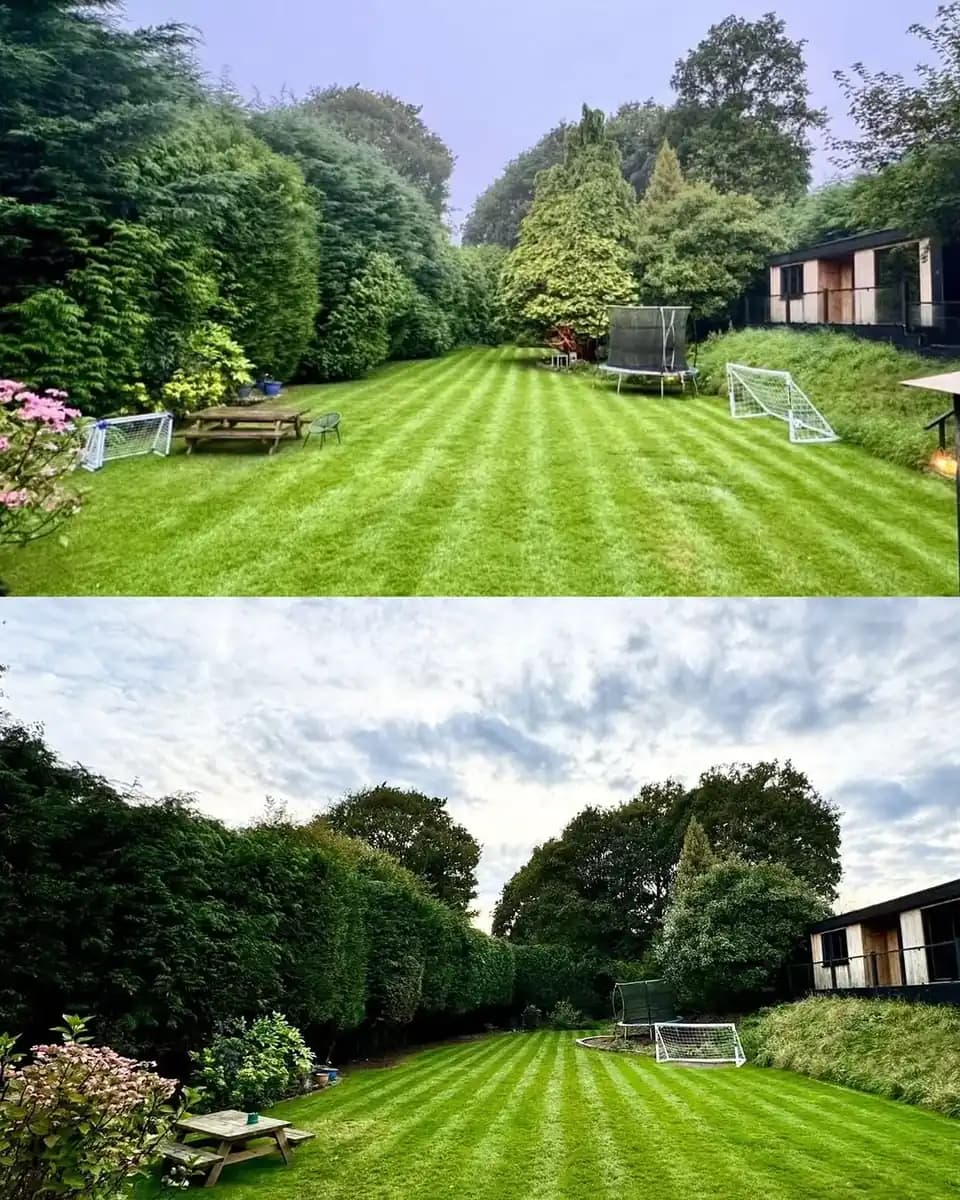
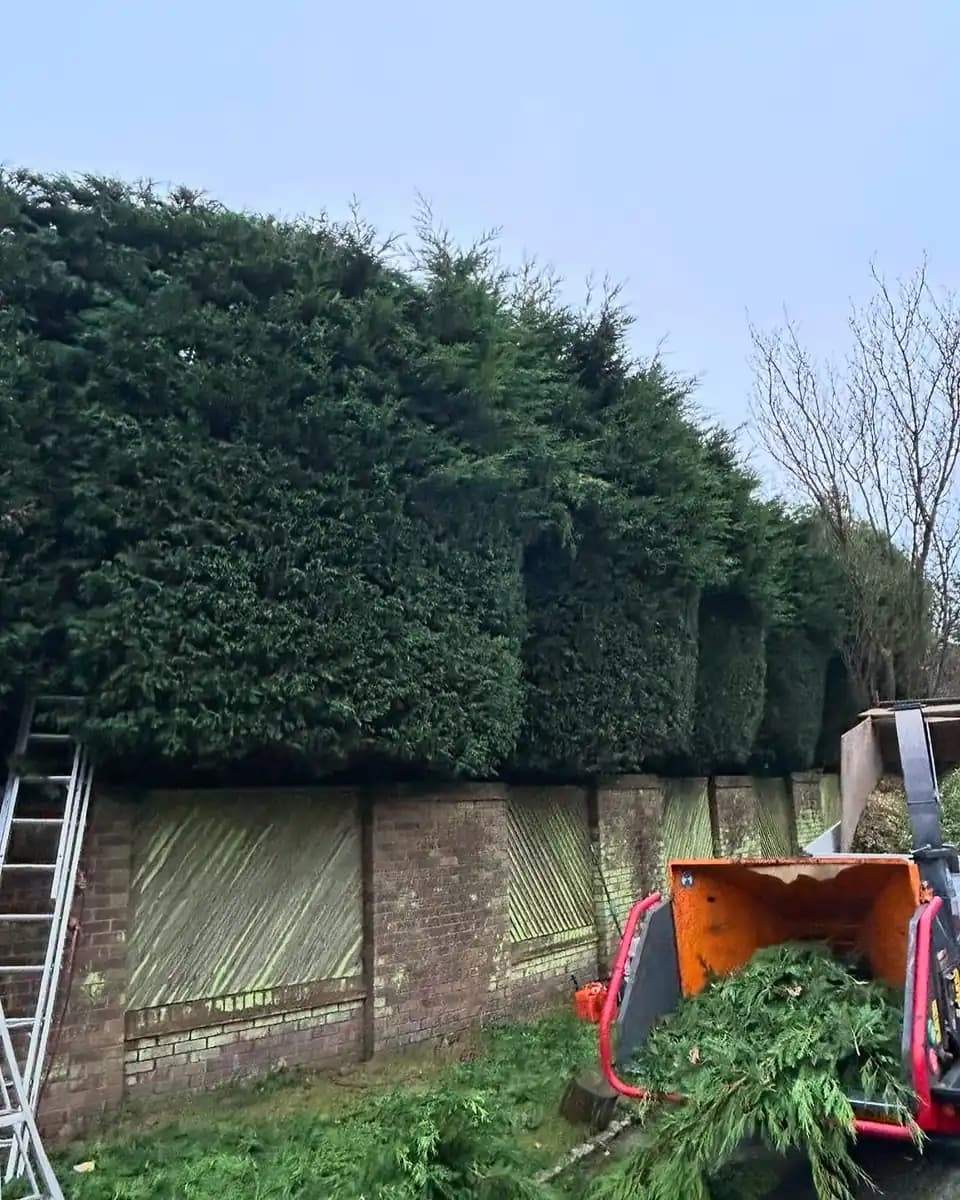
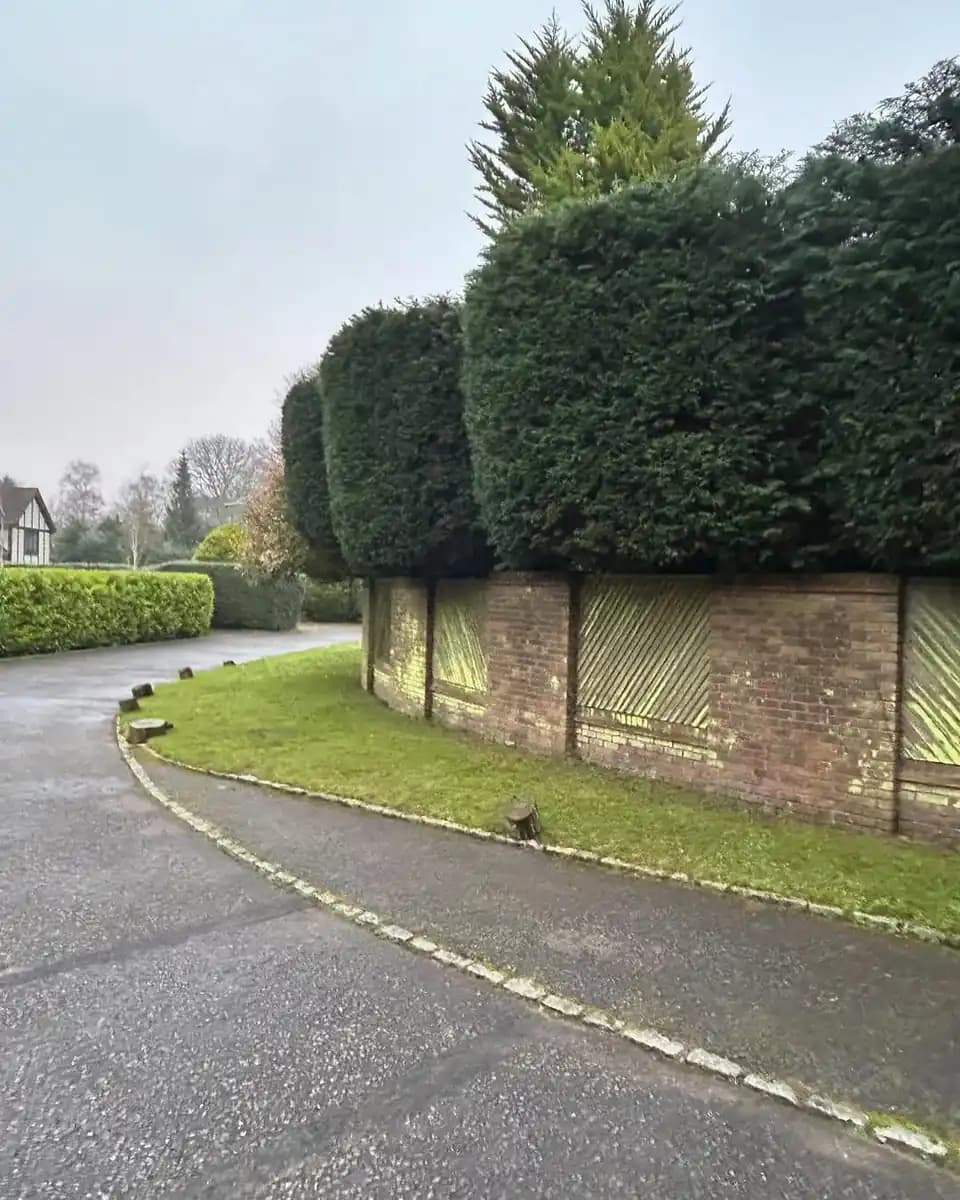
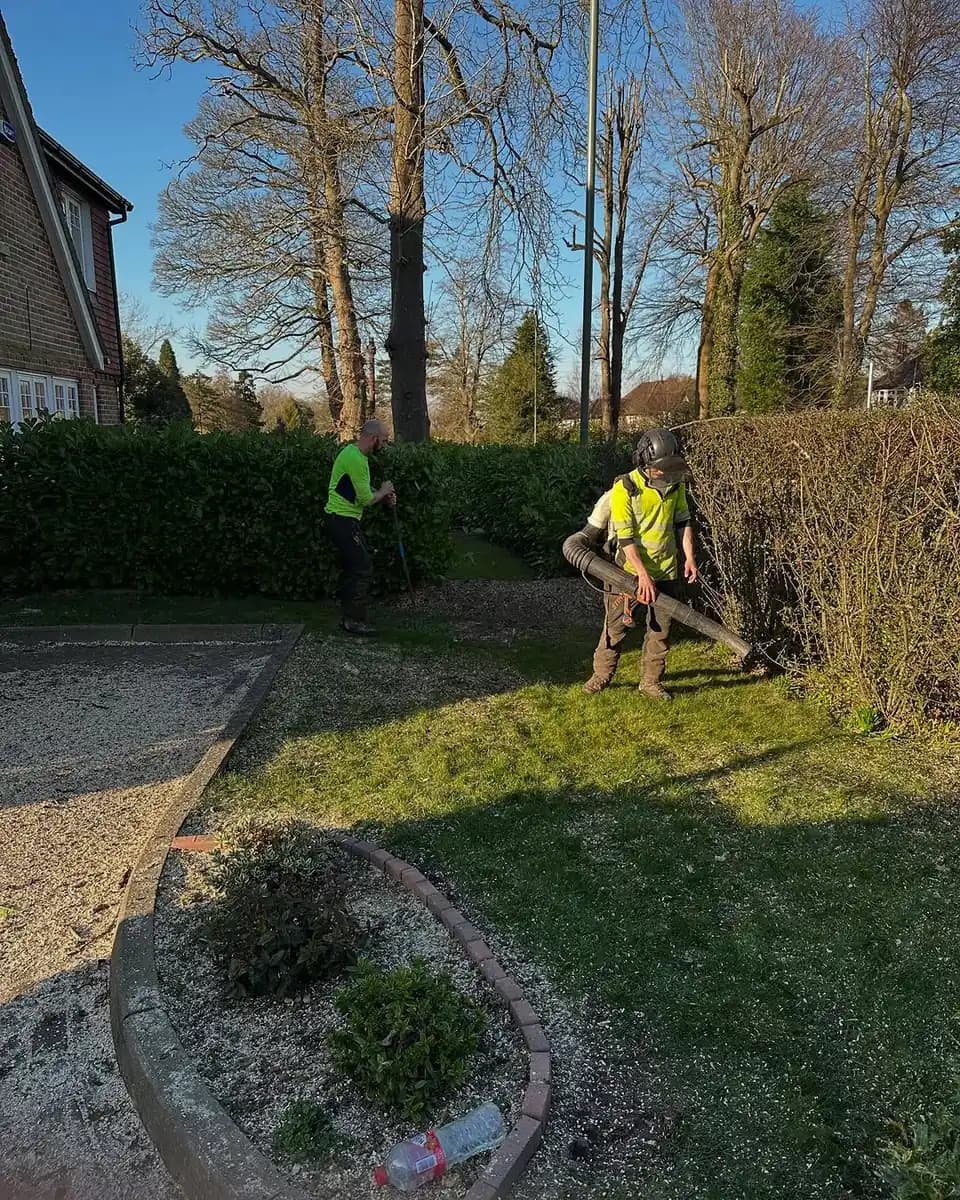
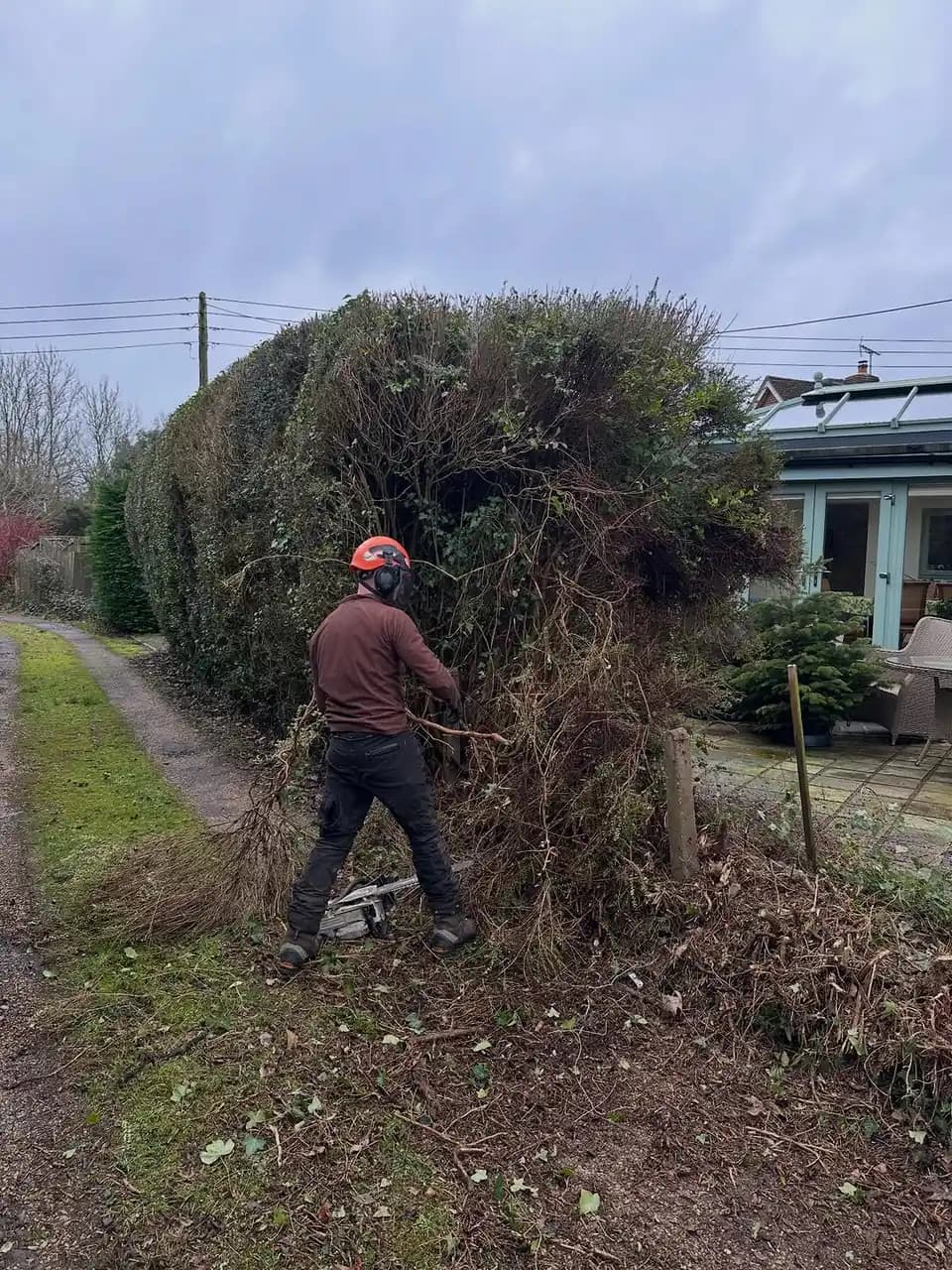
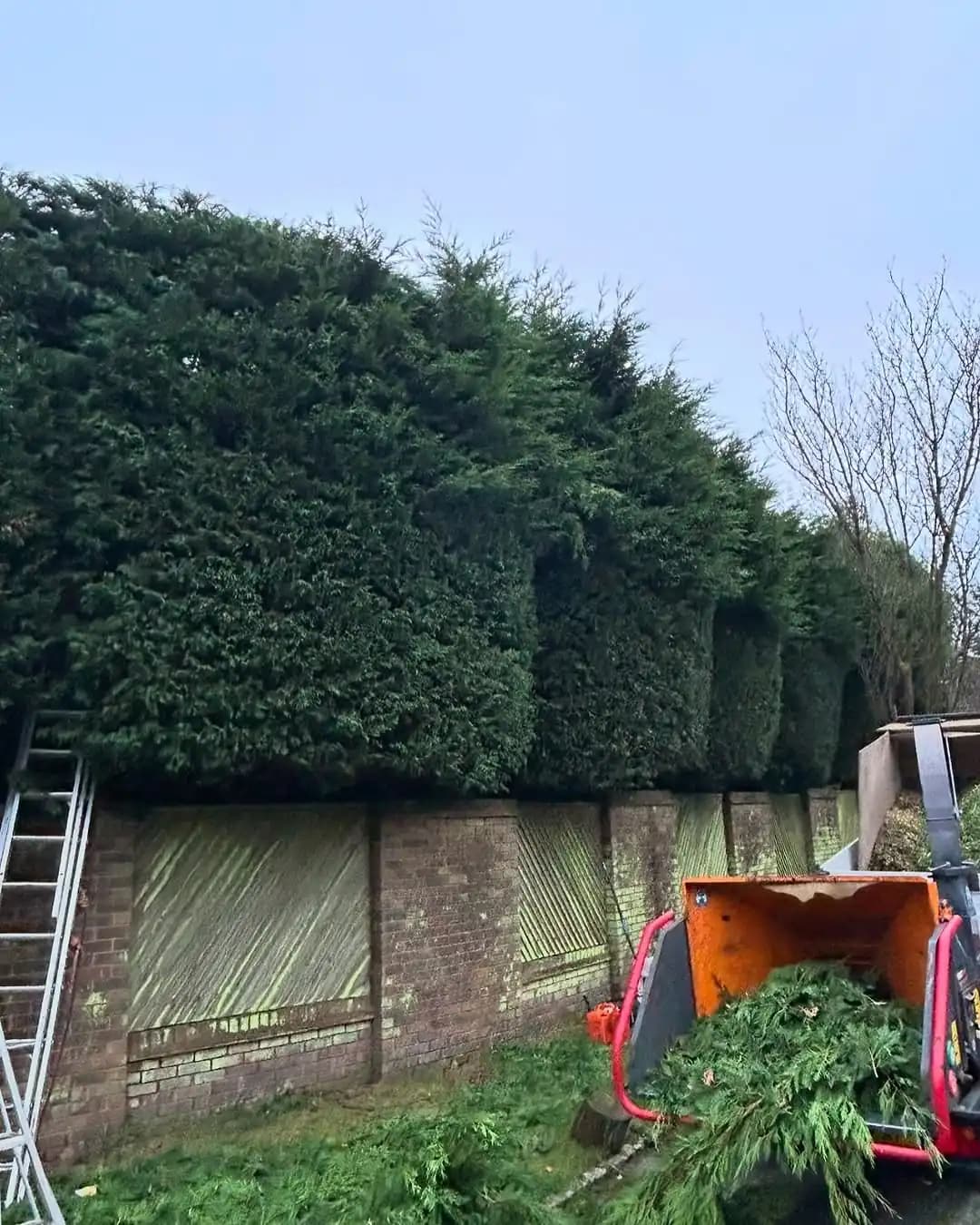
Agree the height and width with anyone sharing the boundary. The species and condition determine whether a large reduction is suitable.
Not sure what you need? Call Brad.
Tell Brad where the tree is, what needs doing and what the access is like.